


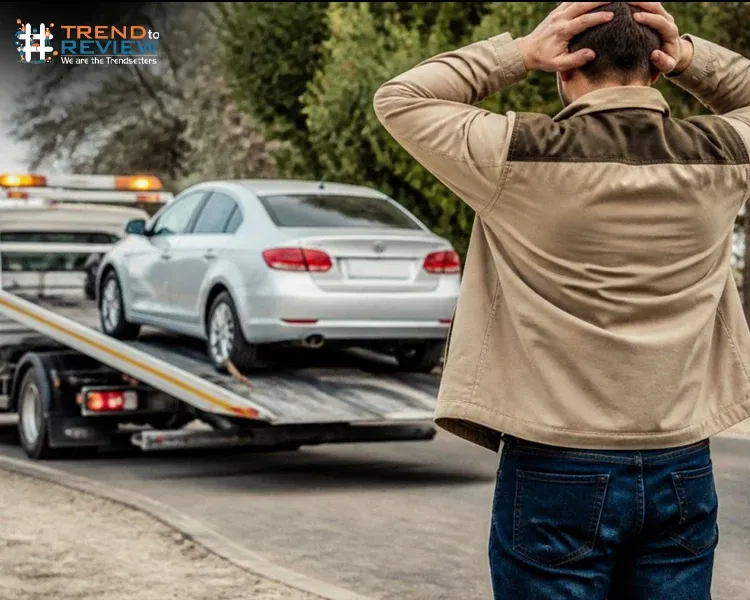
Towing wait time in the Hunter Valley depends on more than how fast a truck can drive. Distance, job type, traffic, and how the call was placed all affect the wait. A dispatcher weighs those details before giving an ETA.
Distance from the closest truck decides most of it
The valley covers a lot of ground. Pokolbin, Cessnock, Singleton, and Muswellbrook sit far apart, with farms, vineyards, small towns, and cellar doors filling the space between them. There isn’t a tow truck on every corner. A small pool of trucks covers that whole area around the clock, so the closest free unit still has travel time before any work starts.
Answering the phone takes less time than making the drive.
A truck may need to finish one job before it can take the next, and a multi-car crash can hold two units at one scene while other calls wait. There’s no spare fleet sitting idle for those peaks. Dispatchers assign trucks according to who is free and where each truck sits at that minute.
A nearby truck that’s wrong for the load doesn’t help. The right truck may be farther away. This is why two breakdowns on the same day can have very different waits. One driver might be near a main road when a truck clears nearby. Another might be down a back lane while every close unit is tied up.
It’s not favoritism.
It’s a matter of distance and availability.
The job itself adds more time than the drive
Even a short tow can involve a lengthy recovery. A car that died in a driveway and rolls freely is one thing. A car stuck in a paddock off a vineyard lane is another job entirely. The drive may match, but the time on scene won’t.
Tilt trays handle most car breakdowns and crash recoveries in the valley. That sounds fast, and it can be when access is clear and the car rolls and steers. Loading slows down when the car won’t roll or won’t steer straight onto the tray.
Off-road recoveries take longer by nature. Cars get bogged in soft paddocks after rain or slide down steep embankments. They end up down narrow farm tracks where a large truck can’t line up cleanly. Getting them out takes slow, careful work.
Heavy gear changes the picture again. A tractor or harvester needs the right truck and setup, and there are fewer of those units about. AWD, 4WD, EV, and modified models each have manufacturer instructions for safe moving. A good operator follows the exact instructions for that car, not habit.
Crashes add a wait before towing even starts. Police and fire control the scene first, and the operator can’t touch the car until it is released.
That clearance time sits outside towing control, yet it counts in the caller’s total wait.
Time of week and time of year push waits out
Friday afternoons run late. Traffic builds on the Hunter Expressway and the New England Highway, and one breakdown in a live lane can jam both directions. A tow truck coming the other way sits in that same jam. No dispatcher can drive around it.
Weekends tied to events run the same way. Harvest brings extra trucks, utes, seasonal workers, and delivery vans onto rural roads. Concert and festival weekends bring streams of visitors who don’t know the roads. More cars means more flat tires, dead batteries, overheated engines, and nose-to-tail hits.
Tourism makes the valley different from a city job. Callers are often from out of the area and have broken down near a winery or on the way to a booking, far from home. They may struggle to describe where they are beyond the last cellar door they passed. That slows dispatch even when a truck is free.
Night work has its own delays. Country roads go dark fast outside town lights, so drivers slow down for wildlife and poor sight lines. Loading takes longer in the dark too. Map estimates miss that, but dispatcher ETAs account for it.
Who you call changes how fast a truck rolls
There are two ways to get a truck. Drivers call a local operator directly or go through an insurer roadside program or national help desk. The second path can add a step before dispatch. The help desk has to confirm coverage and then contact a local truck. That check takes time, and it can stall if details don’t match.
A direct call skips that relay, but it doesn’t skip questions. The operator still needs to know where the car is headed and how payment works. If an insurer is involved, approval may be needed before the tow. A direct call doesn’t mean automatic coverage. Sorting out coverage and payment early helps avoid holding the truck at the curb.
Local knowledge can save time. Unmarked rural roads all look alike after dark, and farm entries often have no number in sight. Winery driveways split and loop. An operator that works the valley every day knows those quirks. A truck coming from outside the area relies more heavily on maps alone.
That’s why many locals look for an operator with established hunter valley towing coverage before they need it, so the person on the phone knows the back roads and event traffic patterns without a long explanation.
Fleet size plays into this too. The valley has a set number of trucks rostered at any hour. Rest breaks, shift changes, trucks already on jobs, and fuel stops limit choice. The job goes to the closest suitable unit that is free and fitted for the load.
Weather and rural access slow everything down
Weather hits towing from both ends: it causes the breakdown and blocks the fix. A storm can flood a low crossing on the way in. Fire-season closures can shut a through road with no warning. Mud turns a firm paddock into a trap that won’t hold a heavy truck.
Rural roads add their own limits. Plenty of winery lanes are unsealed and narrow with soft edges. Some farm driveways twist and dip where a long truck can’t turn quickly. A driver who rushes those roads risks joining the caller in the ditch. Taking them slowly stretches the ETA.
Access at the car matters as much as access on the road. A car parked square on sealed asphalt is quick to load. A car sunk to the sills in wet grass off the driveway line is not. The truck may need to park farther away if the ground is soft. Each step adds minutes.
Wet nights are the worst mix. Rain cuts sight distance, while mud reduces grip. Phone signal drops in dips and gullies. Dispatch may lose contact for a stretch and then need to reconfirm the pin. That back-and-forth feels like silence to a caller, even while work is still going on.
What has to be sorted before a truck can roll
An ETA comes from what the dispatcher can see. Truck availability and current location come first, followed by job type and traffic on the route. Weather and access at your spot count too. Rest breaks and safe gear for that load also shape the estimate. If any piece changes, the ETA changes.
Updates help, but no arrival time can be locked in from the desk.
Paperwork holds trucks more than callers expect. Coverage has to be confirmed when an insurer is part of the job. Payment arrangements also need to be clear for everyone else, including who pays for extra time on scene if access is bad. The drop-off point has to be set. Incomplete details just move the wait from the phone to the curb.
Location is the biggest holdup. Plenty of valley breakdowns happen where there is no street number and no sign. A GPS pin or What3words code sent from a safe spot next to the car beats a suburb name every time. Dispatchers prefer a pin and short access note to a long story. Details about gates and lanes still help when maps show blanks.
Expect questions that feel slow but save time later. The dispatcher may ask what the car does and whether it rolls. Next comes who is waiting and where the car needs to go. Then comes how payment or insurer approval will work and what is needed at the drop-off. Exact answers on those points let the right truck arrive the first time. Vague answers mean callbacks and a second dispatch.
What you can do to cut time off your own callout
Safety comes before speed. If the car dies in a live lane, follow the directions of emergency services or the road operator on site. Get clear of traffic where it is safe to do so. Don’t walk along live lanes or try to push a dead car into a gap in traffic. If there is immediate danger, call emergency services first and sort out the tow second.
Once in a safe spot, location is the best help. Share a GPS pin or What3words code from where you stand. Note which side of the road the car is on. Don’t walk back to the car to get a better pin if that means stepping into traffic. A rough pin from safety beats a perfect pin taken at risk.
Have keys and basic details ready. The car’s make and condition help. Does it start and does it roll? Explain whether the wheels are straight or turned hard to one side. Say who is waiting, including kids, older passengers, pets, and anyone with medical needs. Say where the car needs to go and how payment will work. Clear details like these let dispatch match the right truck and let the driver load without a second round of questions.
Small steps help too. Use hazard lights if they work, and lock the doors if you step away to a safer roadside spot. Keep pets secured and keep the line free for the driver’s callback. Phone batteries die fast at night or during long event queues. Those small minutes matter on arrival.
Waits in the valley rarely come down to one slow driver. They reflect the ground to cover, work needed on scene, traffic and weather, and details sorted out up front. Drivers who share a good pin and clear job notes don’t change those conditions. They simply avoid adding to the wait.
